Today's policy shapes future generations
Policy outcomes are worsening, despite all our best efforts.
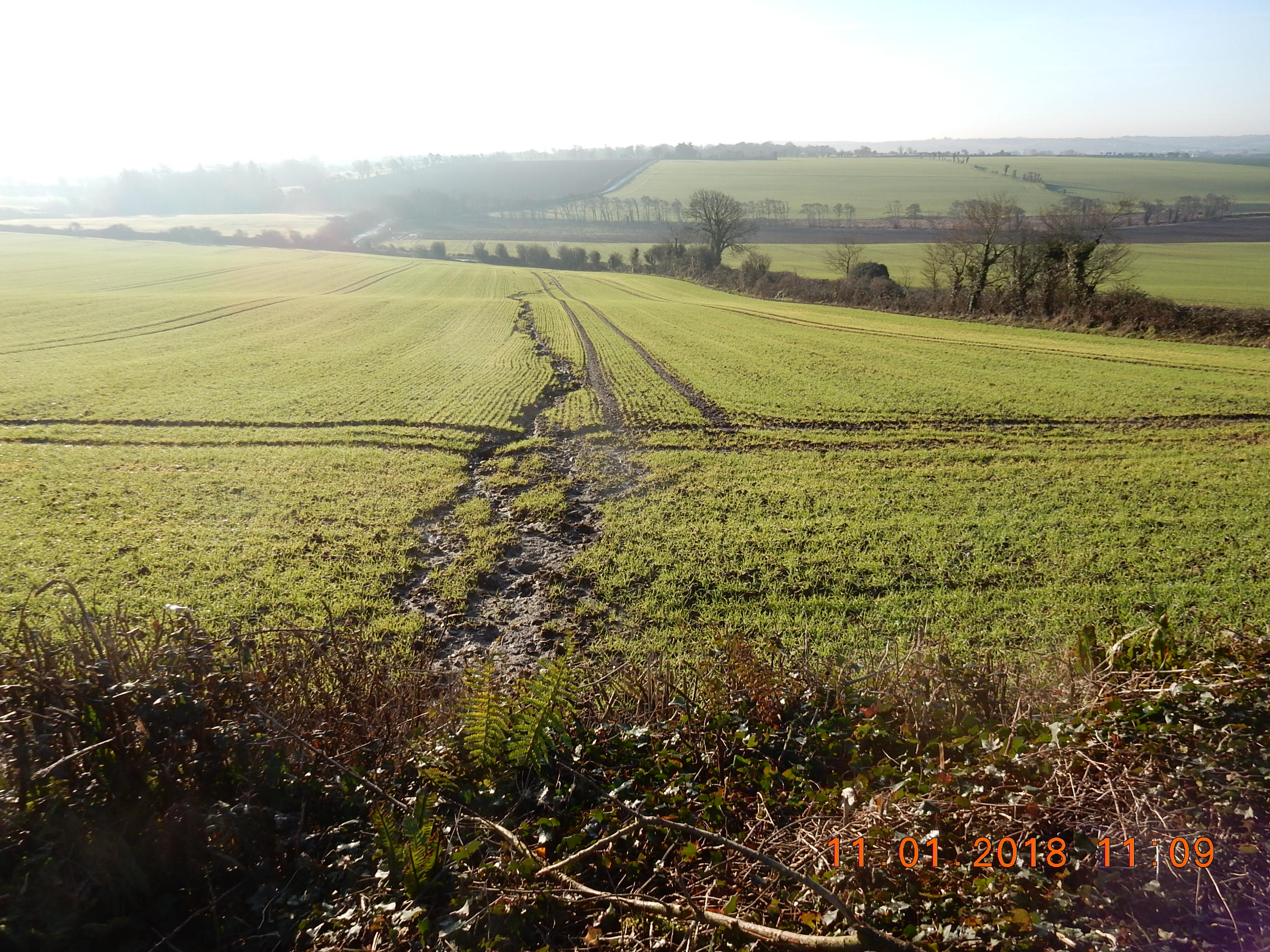
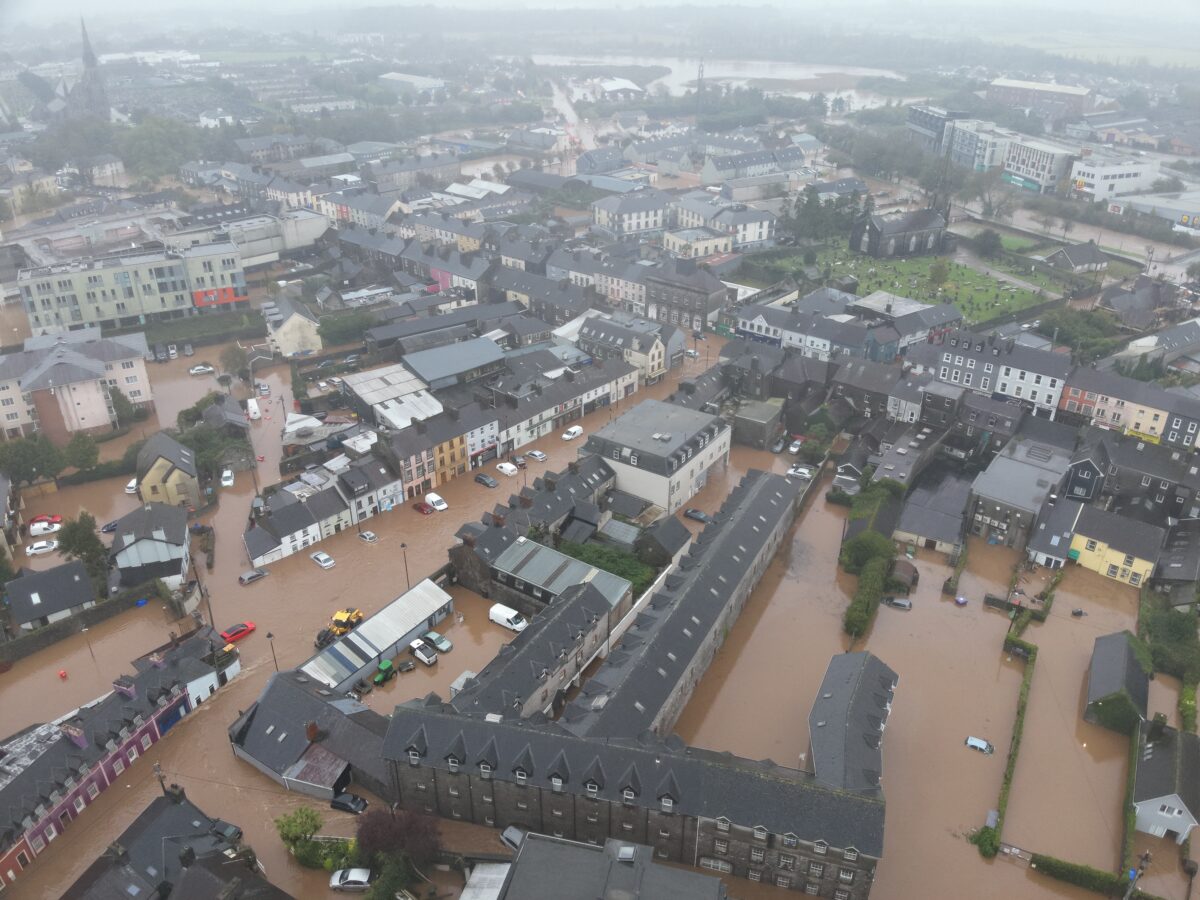
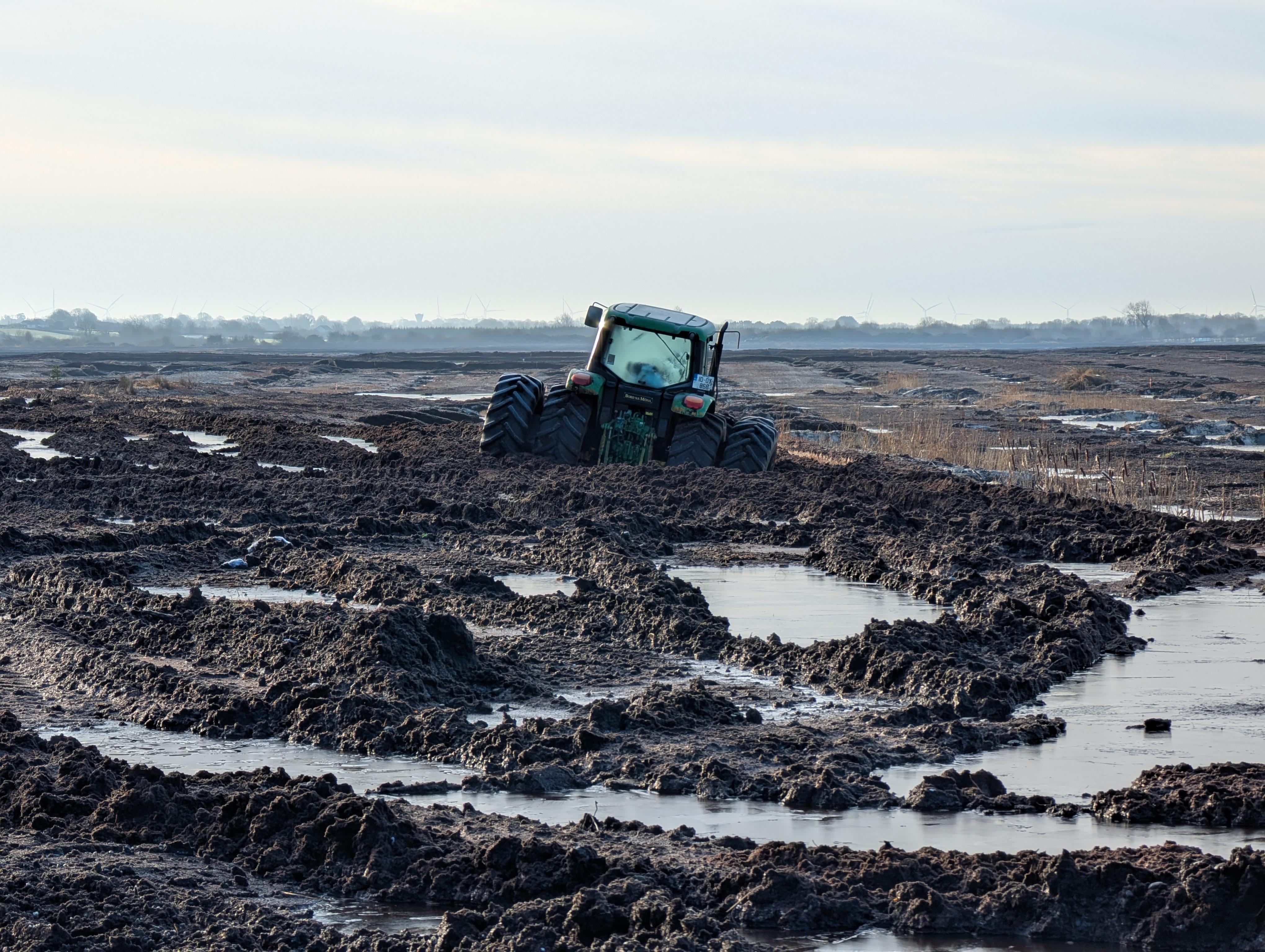
The problem is not intent or funding, but how we think.
Complex systems require coherent design, not fragmented interventions.
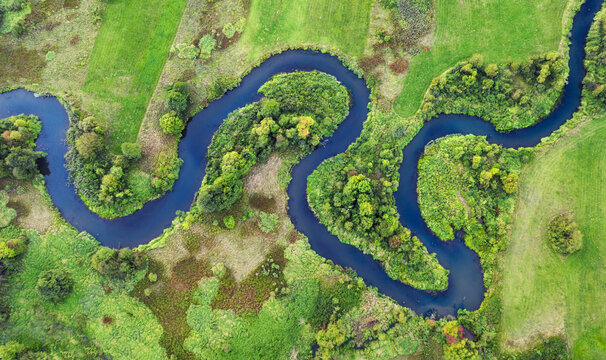
Agriculture, food, climate, water, biodiversity, and rural livelihoods are not separate policy areas — they are interconnected, living systems.
When policy addresses one part in isolation, it:
Shifts pressure elsewhere.
Creates unintended consequences.
Places the burden of change on farmers.
Holistic Management offers a framework for policy design that works with complexity.
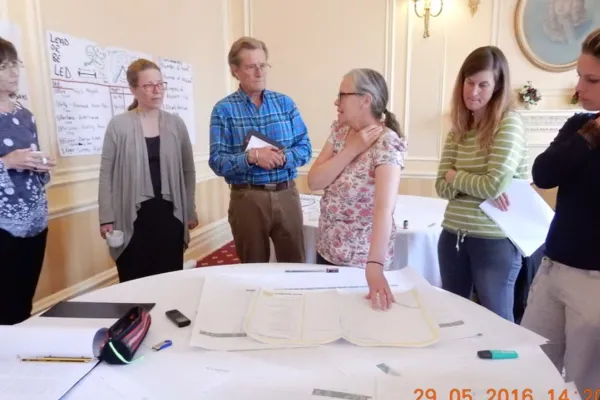
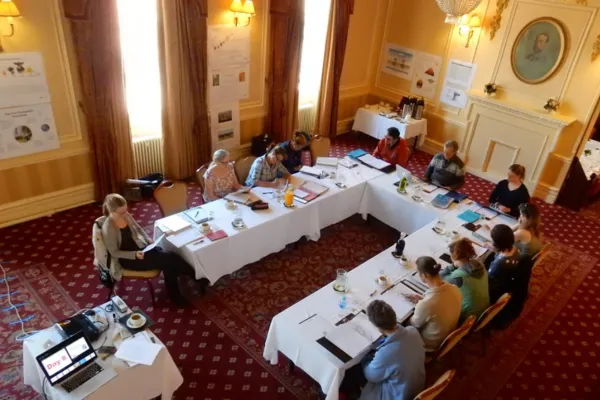
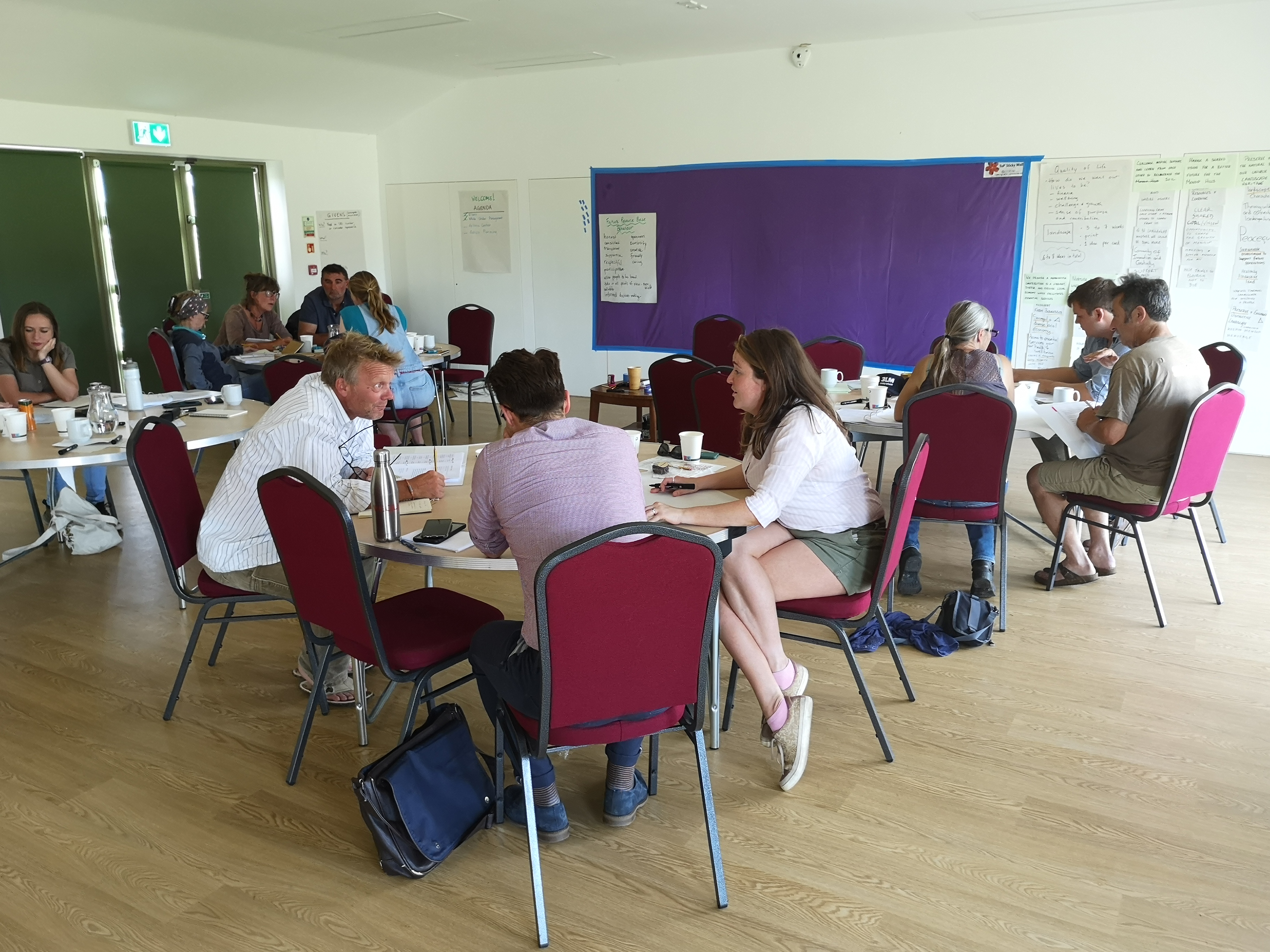
Holistic Policy Development provides a shared way of thinking when working inside complex systems — where policy is shaped by a clear Holistic Context, root-cause analysis, and testing decisions before they scale.
It enables policymakers and programme leaders to:
Develop shared language.
Address root causes.
Remove barriers to change.
Measure economic, social and ecological outcomes.
Adapt early, rather than waiting for failure.
Reward outcomes, not compliance.
This approach scales, from farms and watersheds to bioregions and nations.
Good intentions are not enough.
At scale, policy must be measurable.
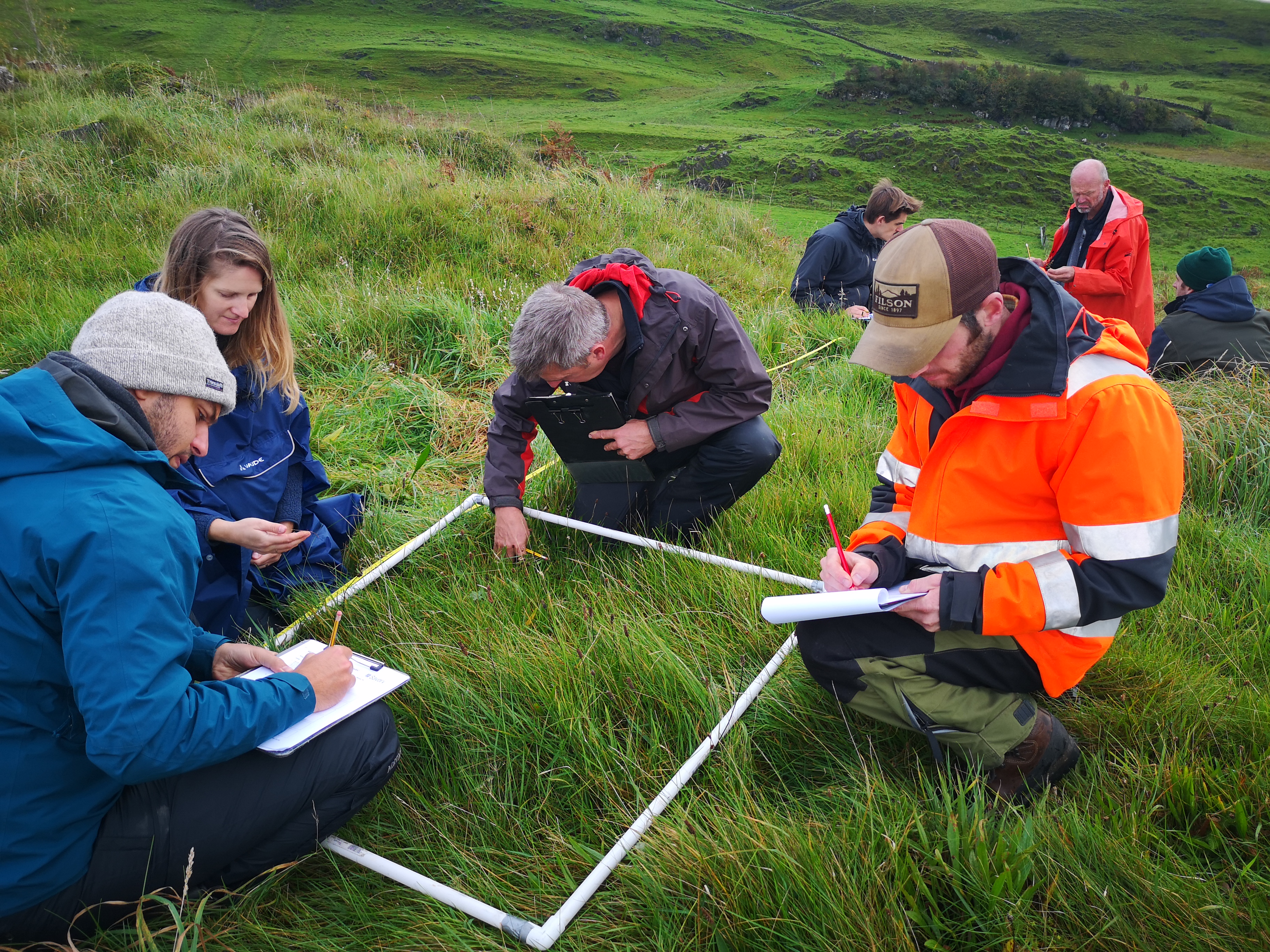
Ecological Outcome Verification (EOV) provides:
Scientifically-grounded evidence of regeneration over time.
A way to link incentives with outcomes.
A credible way to invest in the public good.
You need a way to begin.
We propose beginning with an initial conversation, at no charge, where you outline the challenge and we explore potential solutions.
From there, next steps become clear.
Leading change means understanding how people learn.
Effective policy works with human behaviour — not against it.
This short survey offers practical insight into how people learn, resist, and adapt to change, and why some approaches succeed while others stall.


Copyright© 2026 3LM - All Rights Reserved.